Showing posts with label Cooking Spray. Show all posts

Friday, August 17, 2012

Cooking Spray

Cooking Spray

Cooking spray is inexpensive, but can contain chemical propellants and preservatives you may not want to consume. Making your own cooking spray is also good if you prefer to cook with nonstandard oils such as coconut or macadamia oil that may not have a commercial spray version. Natural living weblog Nature's Nurture provides the simple formula—one part oil to 4-5 parts boiled/distilled/filtered water. The reason for the boiled, distilled, or filtered water is that you don't want bacteria growing in your cooking spray. For the same reason you should probably run your spray bottle through the dishwasher before using.Once you've made your cooking spray make sure to shake it well before using. It'll last for a little over a week in your fridgeAccording to PAM, makers of the best known cooking sprays, the first patent for no-stick cooking sprays was issued in 1957 to Arthur Meyerhoff Sr. and Leon Rubin, who began to market their product in 1959. In fact, PAM is an acronym, which stands for Product of Arthur Meyerhoff. Today, a number of brands exist, and different varieties, too.

Cooking Spray

Cooking Spray

Cooking Spray

Cooking Spray
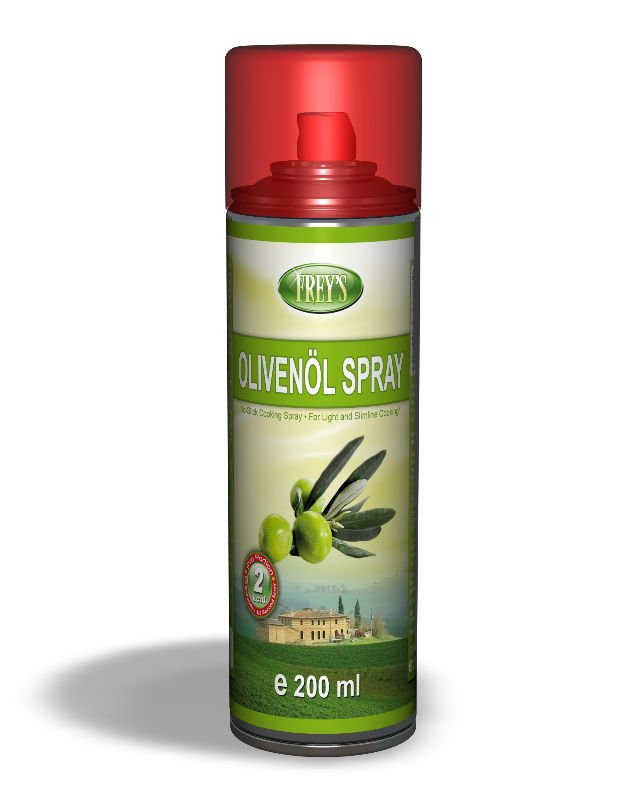
Cooking Spray

Cooking Spray

Cooking Spray

Cooking Spray

Cooking Spray video

Cooking Spray video

Wednesday, August 15, 2012

Cooking Spray

Cooking Spray

Cooking spray is a spray form of an oil as a lubricant, lecithin as an emulsifier, and a propellant such as food-grade alcohol, nitrous oxide, carbon dioxide or propane. Cooking spray is applied to frying pans and other cookware to prevent food from sticking. Traditionally, cooks used butter, shortening, or oils poured or rubbed on cookware. Most cooking sprays have less food energy per serving than an application of vegetable oil, because they are applied in a much thinner layer: US regulations allow many to be labelled "zero-calorie"; in the UK sprays claim to supply "less than 1 calorie per serving". Popular US brands include Pam and Crisco. Sprays are available with plain vegetable oil, butter and olive oil flavor.Cooking spray has other culinary uses besides cooking proper. Sticky candies such as Mike and Ike that are often sold in bulk vending machines may be sprayed with cooking spray to keep them from sticking together in the machines. Coating the inside of a measuring cup with the spray allows sticky substances such as honey to pour out more easily. Vegetables may be sprayed before seasoning to make the seasonings stick better.

Cooking Spray

Cooking Spray

Cooking Spray

Cooking Spray

Cooking Spray

Cooking Spray

Cooking Spray

Cooking Spray

Cooking Spray Video

Cooking Spray Video